Muscle
Creatine vs Whey Protein: Which One Should You Take First?
May 2026 · 8 min read
Creatine vs protein explained: learn which supplement to take first for muscle growth, recovery, and overall performance.
When it comes to fitness supplements, one of the most common questions is: creatine vs protein — which one should you take first? Both are among the most widely used supplements in fitness, but they support the body in very different ways.
Creatine is known for helping improve workout performance, strength output, and training capacity, while protein is essential for muscle repair, recovery, and growth. Understanding how each works can help you make a smarter decision based on your personal goals, whether you want to build strength, improve recovery, or support body composition changes.
For many people, the real answer is not about choosing one forever. It is about understanding what your body needs first, how your training routine looks, and how supplements fit into a broader wellness plan that may also include goals related tomuscle, recovery, and long-term performance.
TLDR Quick Guide
- Creatine supports workout performance, strength, and power
- Protein supports muscle repair, recovery, and growth
- Protein is usually the better first priority for beginners
- Creatine works best when taken consistently over time
- Using both together often produces the best overall results
Understanding Creatine and Protein
Before deciding which one to take first, it is important to understand what each supplement actually does. Although creatine and whey protein are often mentioned together, they are not interchangeable. They solve different problems and support different phases of the training and recovery process.
What Is Creatine?
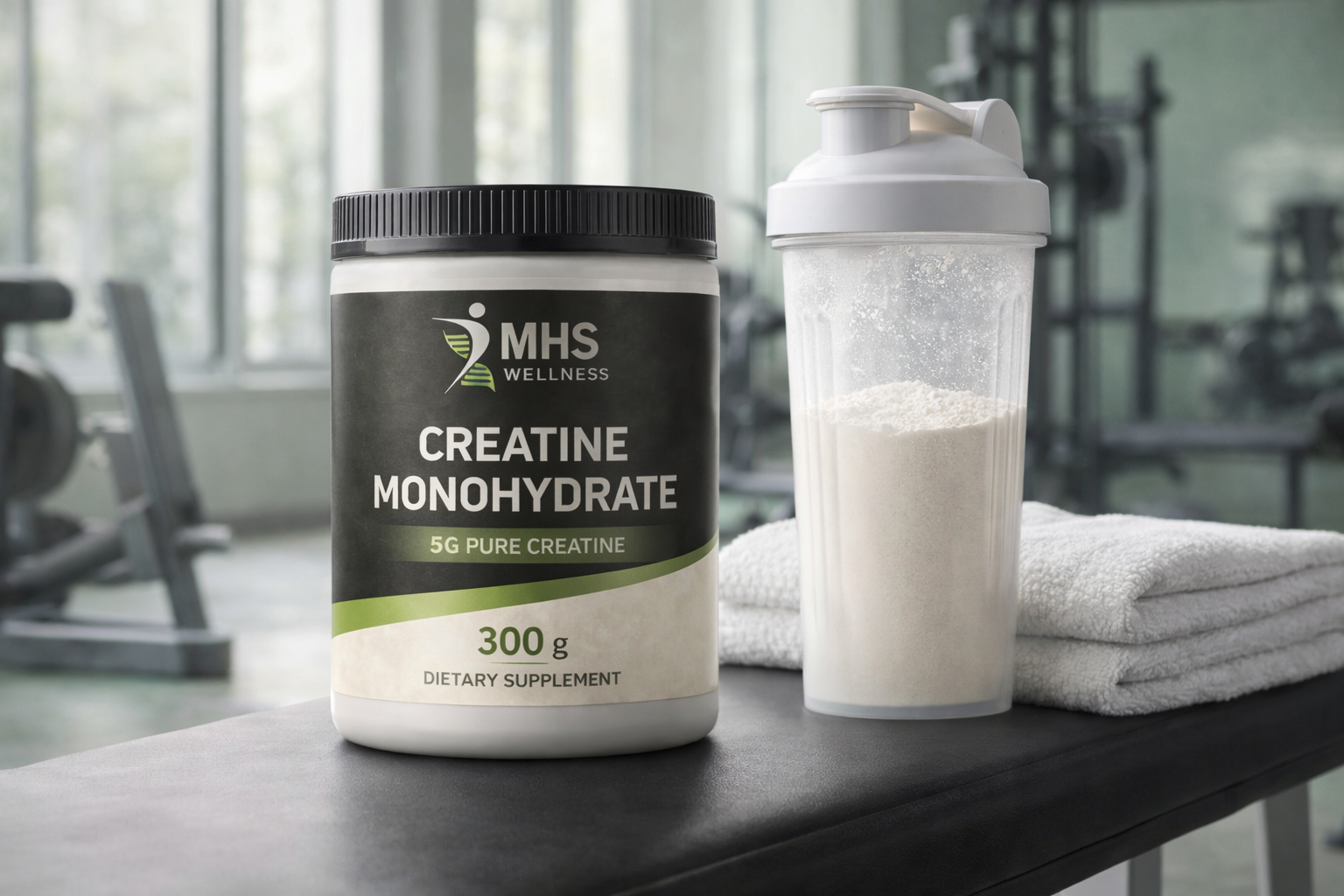
Creatine is a naturally occurring compound stored primarily in the muscles. Its main role is helping the body produce quick energy during short bursts of intense activity, such as weightlifting, sprinting, and explosive movements.
When you supplement with creatine, you increase the amount of stored phosphocreatine in the muscles. This helps the body regenerate ATP more efficiently, which is the main energy currency used during high-intensity exercise. As a result, many people notice improvements in performance, strength output, and workout capacity over time.
Creatine does not directly build muscle in the same way protein supports muscle repair. Instead, it helps you train at a higher level, which can contribute to better results when paired with proper nutrition and a consistent workout program.
What Is Whey Protein?
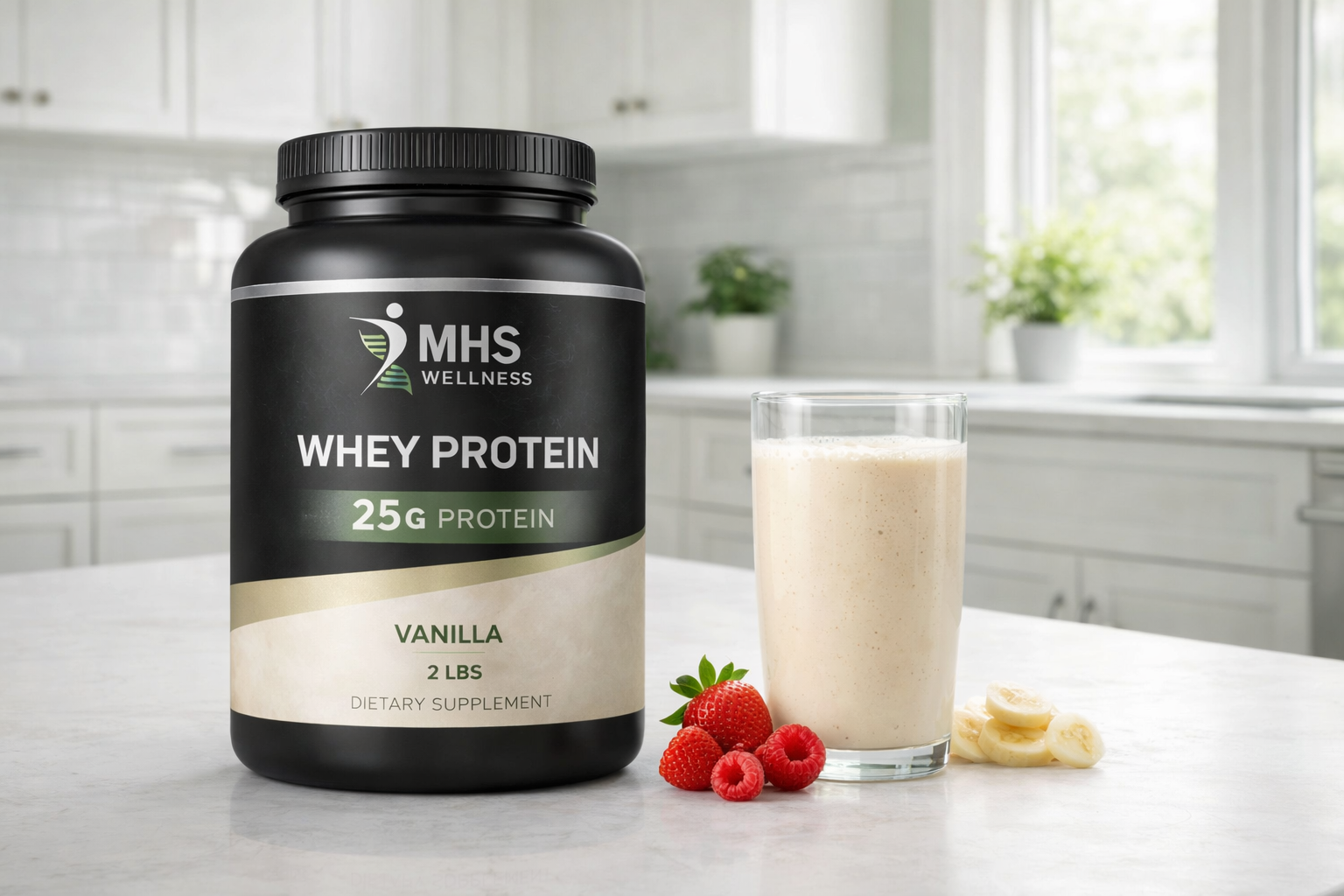
Protein is one of the most important macronutrients for anyone focused on exercise, recovery, or body composition. Whey protein is a fast-digesting protein source that provides the body with essential amino acids needed to repair and build muscle tissue after exercise.
When you train, especially with resistance exercise, you create microscopic damage in muscle fibers. Protein helps the body repair that damage, which is how muscles recover and adapt. Without enough protein intake, recovery slows down and muscle-building potential is limited.
Protein can also be useful beyond muscle growth alone. It plays a major role in satiety, body composition, and calorie control, which is why many people exploringweight lossstrategies also focus on getting enough daily protein to support lean mass and appetite control.
Creatine vs Protein: What’s the Real Difference?
The biggest difference between creatine and protein is that creatine supports performance, while protein supports recovery and muscle repair. One helps you do more work in the gym, and the other helps your body rebuild after that work is done.
This distinction matters because many people think they have to pick one supplement as if they do the same job. They do not. Creatine helps improve energy availability during short, intense exercise. Protein gives your body the building blocks it needs to recover and grow stronger.
That is why the question is not only “Which is better?” but also “What does your body need most right now?” If your daily nutrition is low in protein, protein usually becomes the first priority. If your protein intake is already solid and you want to improve strength or training performance, creatine can be the next logical addition.
Performance vs Recovery
Creatine and protein are best understood by separating performance from recovery. Creatine helps you get more out of your workouts by supporting power output, repeated effort, and high-intensity performance. Protein helps your body recover from that effort by supplying amino acids needed for repair.
In practical terms, creatine may help you complete an extra rep, lift slightly heavier, or recover better between sets during a workout. Protein helps your muscles respond to that training by rebuilding damaged fibers and supporting adaptation afterward.
When used together, they create a more complete support system. One helps drive the stimulus, and the other helps support the response.
Which One Should You Take First?
If you are new to supplements, protein is usually the better place to start. That is because protein supports one of the most fundamental needs in fitness: recovery. Without enough protein in your diet, your body will struggle to repair muscle tissue efficiently, no matter how hard you train.
For beginners, improving total daily protein intake often delivers more immediate value than adding creatine right away. This is especially true for people who do not consistently eat enough high-quality protein from food sources. Once protein intake is consistent, creatine becomes an excellent next step for improving performance and supporting better long-term strength gains.
That said, creatine is still highly effective and well-supported for performance goals. Many people eventually benefit from both. For those thinking about long-term vitality and physical resilience, supplement decisions can also fit into broader wellness goals related tolongevity, healthy aging, and sustainable physical performance.
Best Timing Strategy
Timing is often overcomplicated. For creatine, the most important factor is consistency, not exact timing. You can take it before a workout, after a workout, or at another convenient time during the day, as long as you take it regularly.
Protein timing matters a little more because it is directly tied to recovery. Many people choose to consume protein after training because that is when the body is ready to begin repairing muscle tissue. A post-workout shake is often convenient, especially for those who do not have a full meal immediately after exercise.
If convenience matters, you can take creatine and protein together in one post-workout shake. This keeps the routine simple and makes it easier to stay consistent.
Can You Take Creatine and Protein Together?
Yes, and for many people this is the most practical approach. Taking creatine and protein together does not reduce the effectiveness of either supplement. In fact, it often makes supplementation easier to maintain because it reduces the number of separate steps in your routine.
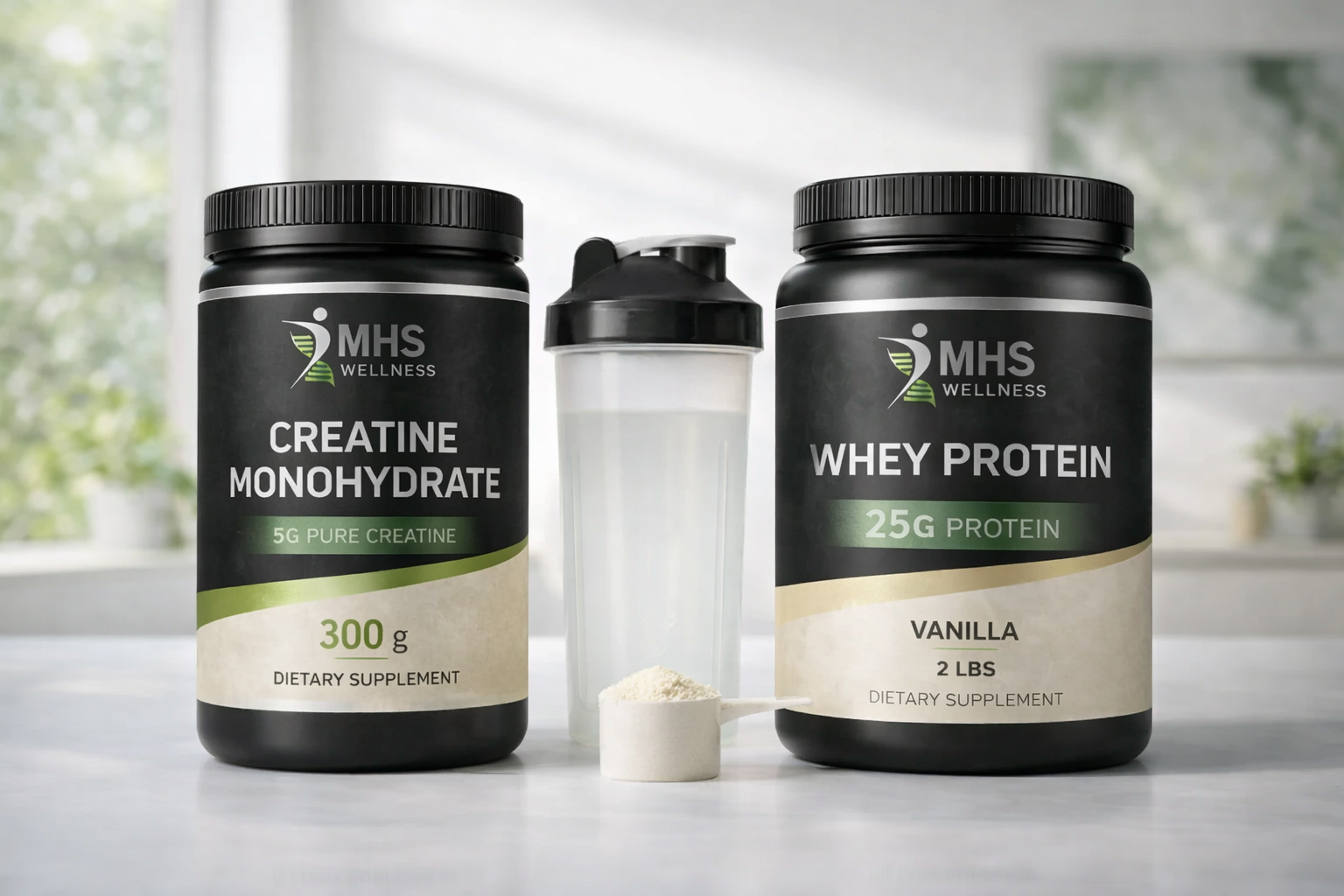
Many gym-goers add creatine to a whey protein shake after training. This gives the body protein for recovery while also ensuring daily creatine intake remains consistent. Because creatine works through saturation over time, it does not need to be isolated from protein to be effective.
This combination is especially helpful for people with busy schedules who want a simple, repeatable post-workout habit that supports both recovery and performance goals.
Why Combining Both Often Works Best
Using both creatine and protein can help support a more complete training strategy. Creatine supports intensity and strength during workouts, while protein supports the recovery and rebuilding process afterward. Each supplement strengthens a different part of the performance cycle.
This matters because better results usually come from improving both training quality and recovery quality. If you only focus on one side, progress may be slower. When both are addressed, the body is better supported before, during, and after exercise.
For people who want a streamlined routine, the combination is also easier to maintain consistently over time, which is often more important than any small timing detail.
Key Takeaways
- Creatine vs protein is not really an either-or decision because both supplements serve different purposes
- Protein is usually the better first priority if your current intake is too low
- Creatine is ideal for supporting strength, power, and workout performance
- Protein is essential for muscle repair, growth, and recovery
- Taking both together is often the most effective and practical strategy
FAQs
Should beginners take creatine or protein first?
Most beginners should focus on protein first because recovery and muscle repair are foundational to progress. If daily protein intake is too low, training results can be limited even with a strong workout program. Once protein intake is consistent, creatine can be added to support performance and strength.
Can I take creatine and whey protein at the same time?
Yes, creatine and whey protein can be taken together safely and effectively. Many people mix creatine into a post-workout protein shake because it is simple and convenient. This approach helps support both workout recovery and daily creatine consistency.
Does creatine build muscle faster than protein?
Creatine does not directly build muscle the way protein supports tissue repair and growth. Instead, it helps improve workout performance, which can indirectly contribute to muscle gains over time. Protein remains essential because it provides the amino acids needed for actual muscle repair.
Is creatine better for strength and protein better for recovery?
Yes, that is a useful way to think about it. Creatine is primarily associated with strength, power, and high-intensity performance, while protein is more directly tied to muscle recovery and rebuilding. Both can be valuable, but they help in different ways.
Do I need both creatine and protein to see results?
No, you do not absolutely need both to make progress. However, many people benefit from using both because they support different parts of training and recovery. Protein helps meet recovery needs, while creatine can improve workout quality and long-term performance.
This content is for educational purposes only and is not medical advice. Consult a qualified professional before starting any protocol.
← Back to blog